

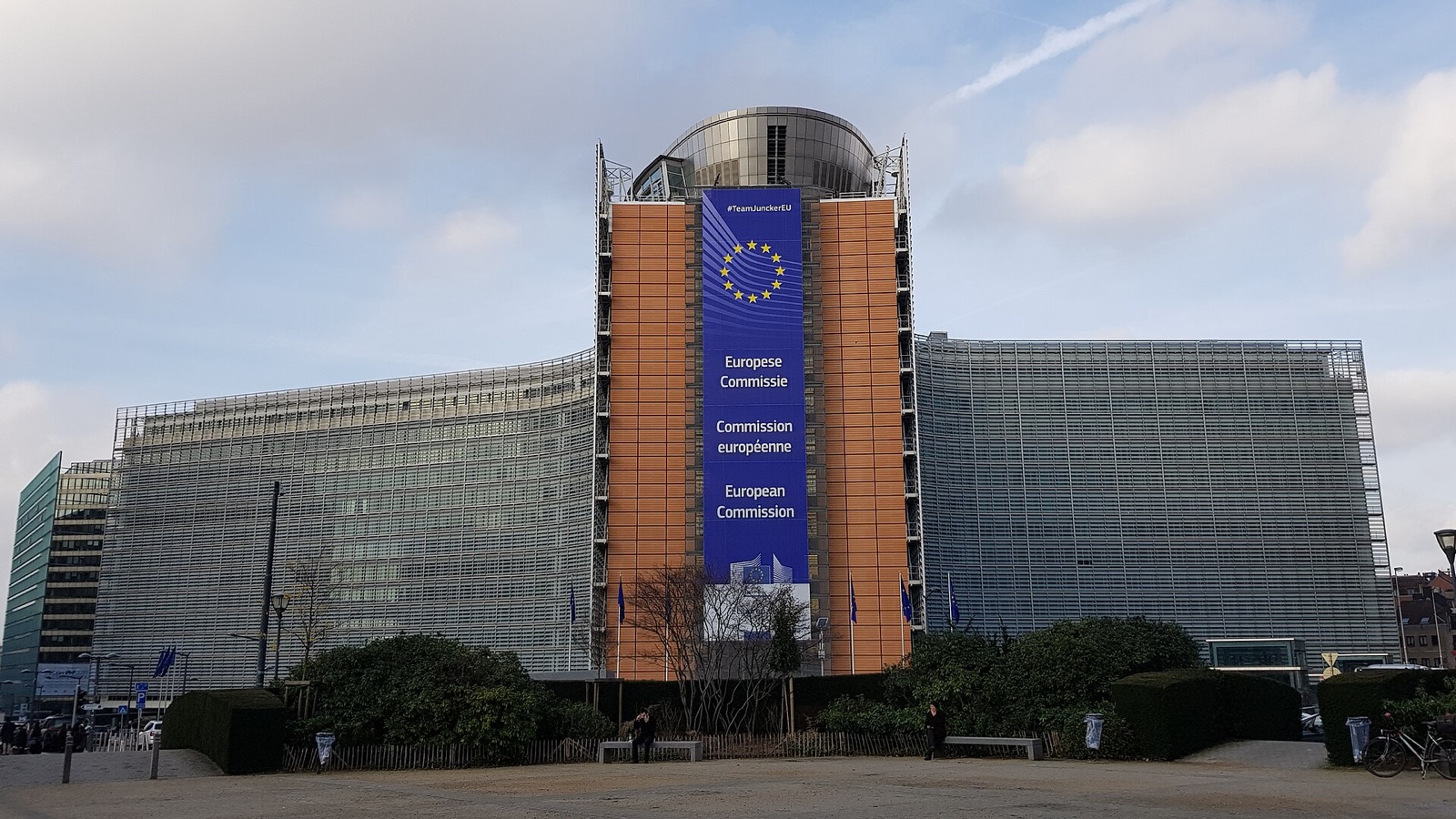
- EU
- The AI Act began to apply on August 2, 2026; deepfakes must be clearly labelled
- US
- AI Fraud Accountability Act (S.3982 / H.R.7786) introduced March 4, 2026, in committee
- Türkiye
- Bill no. 2/3358 submitted to the Grand National Assembly on November 7, 2025, in committee
- Status
- EU rules apply; the US and Turkish measures have not become law
As deepfake fraud grows, governments are acting. But the steps are not all at the same stage: some already apply, others are still waiting in parliaments.
In the European Union, according to the European Commission, the AI Act largely began to apply on August 2, 2026. Under its transparency rules, providers of generative AI must make sure that AI-generated content can be identified, and deepfakes must be clearly and visibly labelled. Under the amendments the Council of the EU gave final approval to in June 2026, the transition period for solutions that mark AI-generated content ends on December 2, 2026.
In the US, fraud using AI-imitated voices and images is prosecuted today under general fraud statutes; the charges in the $129 million CEO impersonation case are wire fraud and money laundering. The AI Fraud Accountability Act, introduced in the Senate and the House on March 4, 2026, would define fraud through realistic digital impersonation as a crime of its own. The bill is in committee.
In Türkiye, bill no. 2/3358, submitted to the Speaker of the Grand National Assembly on November 7, 2025, would require AI-generated fake visual, audio and text content to carry the label “Produced by Artificial Intelligence”. Under the bill, the telecom regulator BTK would fine non-compliance between 500,000 and 5 million Turkish lira, and access to deepfake content would be blocked within 6 hours. The bill is with the Industry, Trade, Energy, Natural Resources, Information and Technology Committee and has not become law.